
 TR
 ES
 AR
 RU
 IT
 ZH
 FR
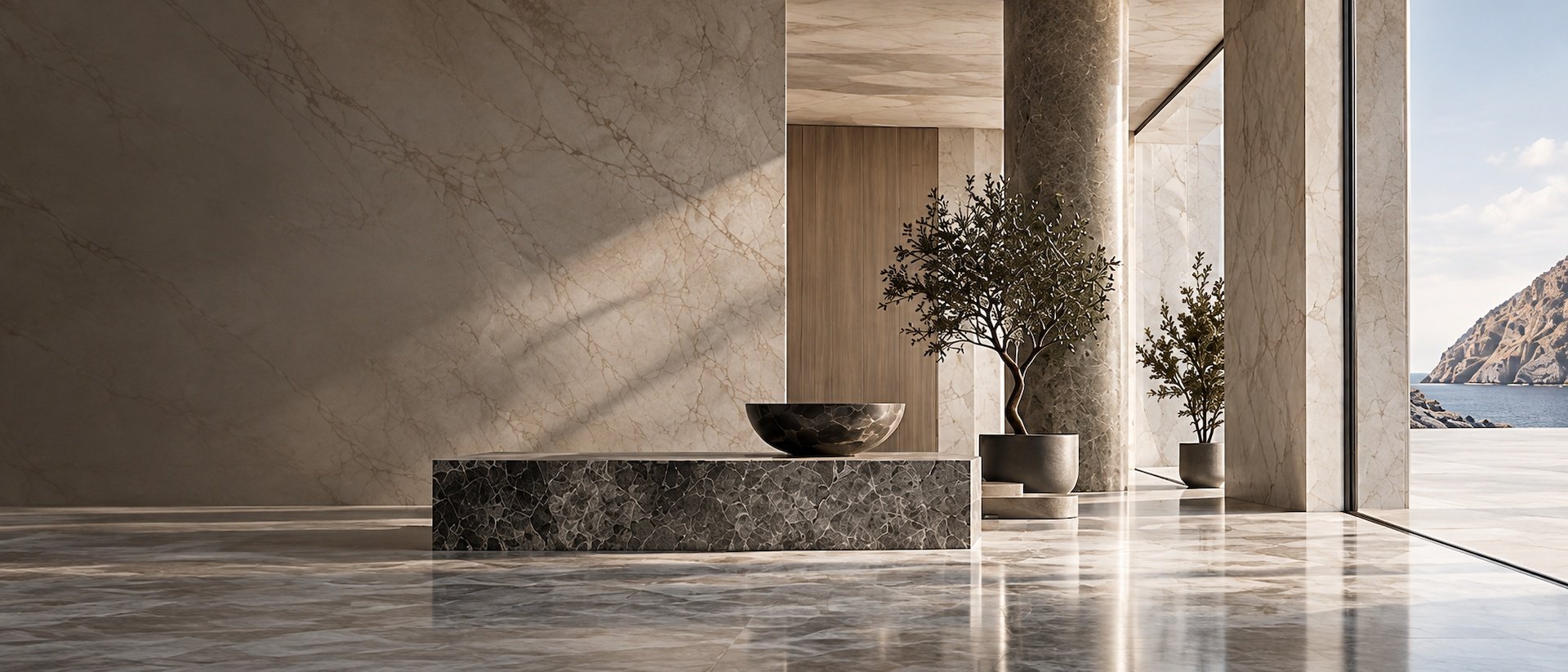
Marble Surface Finishes: Variety and Aesthetics
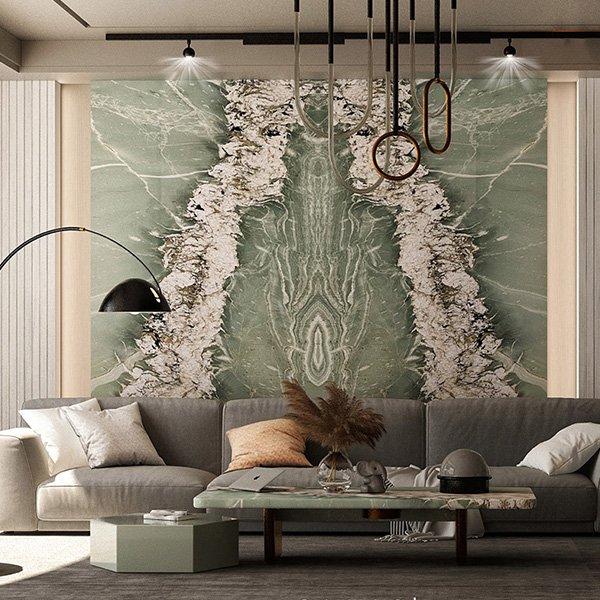
Areas of Use of Marble
As a versatile material, marble is widely used both indoors and outdoors. Indoors, it is preferred for floor and wall coverings and in places such as kitchens and bathrooms. It is also frequently used in decorative interior applications such as fireplaces, tables and decorative accessories. Outdoors, marble is used for columns, barbecues, walls and pedestals as well as garden paths, pools and outdoor furniture, thereby contributing to the visual richness of outdoor spaces with its aesthetic appearance.
Marble varieties have different colors and patterns due to the minerals they contain. Both this natural beauty and the surface finishes applied play an important role in the architectural and decorative uses of marble. Marble is an aesthetically important material, and different areas of use and aesthetic appearances are achieved through various surface finishes. These finishes are selected and applied according to where the marble will be used and current decoration trends.
The most common marble surface finishing techniques are polishing, honing and sandblasting. Polishing gives the marble a glossy appearance. Honing gives a matt appearance and reduces the risk of slipping. In sandblasting, the marble surface is treated under pressure with sand and other materials, giving it a rough and textured appearance. These processes can be carried out with both manual and automated equipment.
Some of the Marble Surface Finishes:
1. Polishing
Polishing is one of the most classic marble surface finishes. This process gives the marble surface a glossy appearance. Polished marble surfaces provide a luxurious and elegant touch, especially indoors.
2. Honing
Honing is a process that gives the marble surface a matt appearance. Being less glossy and less slippery than polished surfaces makes honed marble more suitable for wet areas. In addition, honed surfaces better reveal the texture of the natural stone and give a modern feel.
3. Sandblasting
Sandblasting gives the marble surface a rough and textured appearance. This process is preferred especially in outdoor applications and textured designs. Sandblasting adds a rustic touch to the marble surface and provides a non-slip surface.
4. Brushing
Brushing is used to give the marble surface an aged and natural appearance. Carried out with special brushes, this process emphasizes the patterns and texture of the marble and adds a characteristic touch to the surface.
5. Tumbling (Antiquing)
The tumbled (antiqued) surface finish gives the marble a coarse and rough appearance. Preferred for a rustic and natural touch, this surface is used especially in wall claddings and decorative elements. The antiquing process brings the natural beauty of marble to the fore.
Which One Will You Choose?
Choosing from this variety offered by marble for the space of your dreams is up to your imagination. Do you want a glossy and eye-catching polished surface, or a more natural and matt touch? Perhaps you prefer a rustic and textured sandblasted finish? Or a brushed or tumbled finish to give your space an aged, characterful atmosphere? Different surface finishes reveal the natural beauty of marble in different ways and offer you the opportunity to create a space that is uniquely yours. Whether it is a sophisticated floor covering indoors or a striking wall decoration outdoors, shape your space according to your own taste with the aesthetics of marble. From these options, you can turn your space into a work of art by choosing not only the one that suits you best, but also the one that best reflects your lifestyle and personality. Remember, every piece of marble is a wonder of nature, ready to write its story in your home with your touch.